
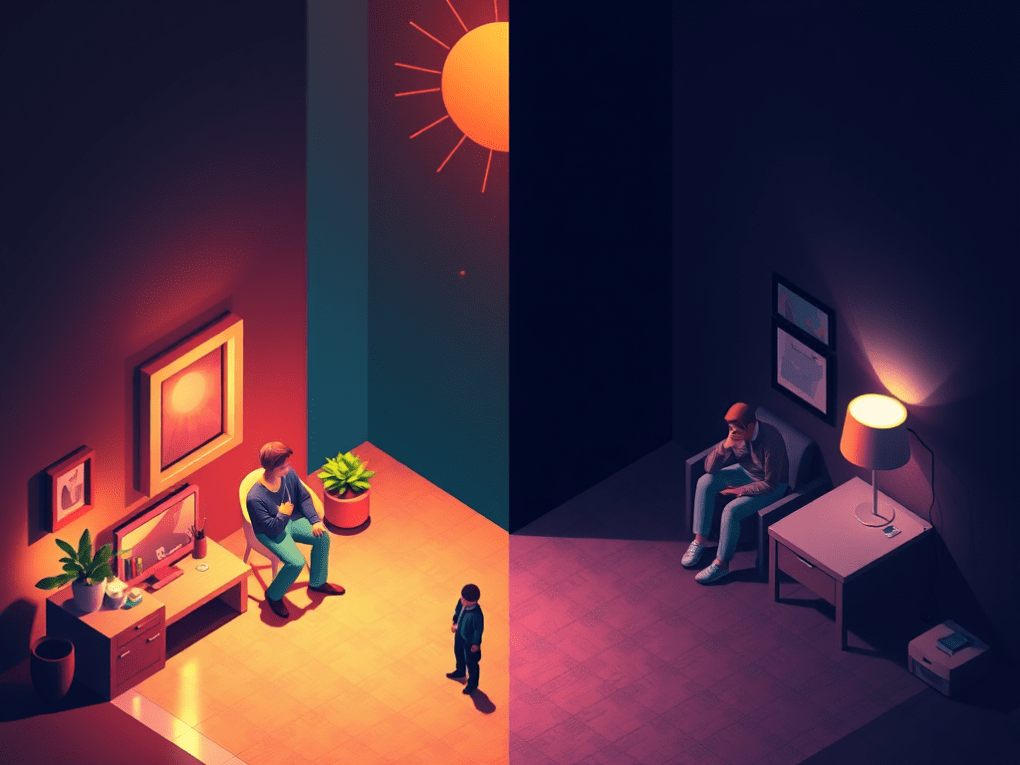
The concept of egosyntonicity comes from the days of Freudian analysis, although it is still used among psychologists all over the map of treatment modality. Basically, an egosyntonic syndrome doesn’t come into conflict with the self — whereas an egodystonic condition does create inner conflict and, in doing so, causes significant distress.
Here are some examples:
- Egodystonic: OCD, depression (usually), anxiety
- Egosyntonic: Autism, eating disorders, euphoric mania, narcissistic personality disorder
Since bipolar disorder changes over time, for me, it fluctuates between egosyntonicity (in euphoric mania) and egodystonicity (in dysphoric/mixed mania and depression). That said, as I’ve come to have a great deal of insight into my bipolar disorder, it’s actually become increasingly egosyntonic. I’ve accepted the diagnosis that I received at 17 years old.
I mean, I even suspected I was bipolar for quite a few years before my official diagnosis when I went away to … but I had a rebellious phase around 19-20 years old. I was involuntarily hospitalized twice in less than a year, which at the time seemed like a lot. (After my career at UCLA, it doesn’t seem like nearly as much now.)
What about you? Would you say bipolar disorder is moreso egosyntonic or egodystonic?
 BipolarCoaster