Understanding BPD vs. Bipolar: Key Differences Explained

BPD, which stands for Borderline Personality Disorder, has significant areas of overlap with bipolar disorder. Both disorders implicate a breakdown in the emotion regulation areas of the brain. But what are the differences? Cross-sectionally, they’re sometimes quite difficult to tell apart. More differences emerge when looking longitudinally across time.

  1. Bipolar is episodic and predictable in the short term: episodes of mania and depression (and mixed episodes) come and go in a fairly predictable fashion. Some people have depression first and then fly into mania, while others start out with a manic episode and then crash into the depression. It’s roughly 50-50 between these patterns, but within individuals the pattern stays consistent. Which is to say, if you’re a mania first bipolar, you’ll most likely always be mania first.
  2. BPD breakdowns tend to be triggered by some situation the person has found themselves in. Their responses may be over-exaggerated but there is some kind of trigger. Bipolar episodes can also be triggered sometimes, but classically, bipolar episodes can occur with no trigger at all. They’re related to a sort of internal thermostat which is broken. Thus, time of year — and changes in sunlight, which affects this internal thermostat — can be triggers for bipolar disorder, and less likely for BPD.
  3. Psychosis is much more pronounced in bipolar disorder than in BPD. The classic euphoric mania with grandiose delusions come to mind; in bipolar disorder, psychosis is limited to mood episodes and is almost always mood-congruent. (Meaning, someone with classic euphoric mania might have grandiose delusions that they are a very important person or have special powers or abilities; meanwhile, someone in a mixed episode might hear muffled voices that make them feel very paranoid about who might be watching, and they see bugs crawling all over the walls. Okay, the mixed episode examples are psychotic features I have experienced myself.) BPD people may experience transient, stress-related psychosis, but they don’t hold onto it as strongly as bipolar people.
  4. Sleep and changes in sleep are arguably the most important symptoms for bipolar people. Not sleeping enough feeds into mania, while sleeping too much feeds into depression. The relationship between BPD and sleep is less clear. Lack of sleep may worsen emotion regulation challenges. People with BPD who don’t get enough sleep are likely to be irritable during the day.

Bipolar Disorder vs. Manic Depression: Importance of Lived Experience

You may have heard that Bipolar Disorder used to be known as Manic Depression. This was the case until 1980, with the advent of the DSM-III. The committee over at the APA who decides these things had three goals in mind when they changed the name:

  1. Reduce stigma — The APA saw that the term “manic depression” had become highly stigmatizing.
  2. Provide a more accurate and clinical description of the condition
  3. Reflect the alternating periods of mania and depression that characterize the disorder — more on these in a minute.

I want to clarify that while the APA laid out the missions above, they did not consult the community members who live with the condition. Many people, some of them high profile (like Kay Redfield Jamison) still prefer the term manic depression still today. To change the name of a disorder without extensive community feedback feels like a violation of autonomy for those of us who live with a severe mental illness.

But let’s address the three goals laid out by the APA with the publication of the DSM-III…

  1. Although it’s very likely true that the term “manic depression” had become highly stigmatized, it seems a bit odd to assume that the stigmatization of the disorder came from what we choose to call it, rather than stemming from the people who live with the condition. Case in point, today “bipolar” is highly stigmatized and used inappropriately for a number of reasons — to refer to indecisive weather patterns, people we don’t like, and a host of other things. It’s just as bad as manic depression ever was. Why? Well, maybe the problem wasn’t the term manic depression. The stigma was never attached to the term. The stigma is attached to those of us who live with the condition, regardless of what you choose to call it. No matter how many times you change the name of the disorder, that truth would never change.
  2. Many of us in the bipolar disorder/manic depression sphere actually feel that “manic depression” is much more descriptive of our lived experiences. “Bipolar” exemplifies a particular phenotype, one which is at least somewhat common among bipolar folks (and considered by some to be an archetypal presentation) but to the exclusion of others with more uncommon manifestations of the disorder. If we are to take “bipolar disorder” at face value, I am left to assume that there are two “poles” (opposites) which people oscillate between. However, this ignores the very real and unfortunately common experience of mixed episodes — when the two opposing states of “bipolar” are somehow happening both at the same time. How can they be opposite, when in fact they coexist so frequently?
  3. I don’t think most people who know little about “bipolar disorder” are thinking about its longitudinal dynamics. Many people still believe that bipolar disorder is about quick shifts in mood lasting only a few hours (although these types of episodes do happen in classic bipolar disorder, they are much more rare and occur in the context of other well-known symptoms) or that bipolar disorder is the same as “multiple personality disorder”.

As it turns out, I think manic depression is both more accurate (instead of positing that mania and depression are opposing forces, when in reality, they seem to be linked and can even occur simultaneously) and, in the end, probably less stigmatizing than “bipolar disorder”. This just highlights the importance of including community input (for example, from “bipolar” patients) when making decisions like this.

What do you think? Leave a comment and let us know!


The Impact of Bipolar Disorder on Physical Health

Those of us with bipolar disorder can bear a heavy burden when it comes to co-occurring conditions, medication side effects, and we are at higher risk for many diseases. Some of these effects are ameliorated by efforts at early screening and detection. We hope (perhaps naively) to catch tardive dyskinesia before it becomes permanent and Stevens-Johnson Syndrome before it becomes fatal. Likewise, in the US we have a federal registry for clozapine patients that aims to detect agranulocytosis (destruction of white blood cells, which disables the immune system) with rigorous blood testing.

Other medications may take a more nefarious route to affecting our health. Lithium is able to cross membranes and take up residence inside your body’s cells, where it stubbornly resists removal by hemodialysis. Years down the road, it can lead to kidney failure, not to mention destroying your thyroid gland.

But there’s more than meets the eye to the interface of bipolar disorder in medical care.

Bipolar disorder is widely stigmatized by medical professionals

I once presented at the ER for an abscess the size of a tennis ball erupting from my thigh (a consequence of my then-undiagnosed hidradenitis). I showed the triage nurse; she documented it. Then she asked for my phone and my shoes.

“The psychiatrist is going to see you,” an aide informed me.

“What? Why? I have an abscess!”

They didn’t care to listen to me. Two hours later, a psychiatry resident showed up at my bedside. He took a look at my abscess.

“I don’t know why they sent you over here,” he said, sighing. Another two hours passed before a “medical” MD came to take a look and determine (within minutes) that we were going to drain my abscess. It was extremely painful. Surely, anyone would be a touch irritable or agitated in such circumstances. But I’ve been told that having bipolar disorder in my history was good enough reason to detain me, independent of any other facts. You know what that’s called: discrimination. I hadn’t complained of any suicidal planning or expressed a desire to be admitted. In my place, someone without those two words in their file — “bipolar disorder” — would have been seen by a medicine doctor hours earlier.

But, to be fair, it’s not just bipolar disorder that is stigmatized. I was once being detained in the psych area of the ER, when an aide mentioned to another aide that she had PTSD. I was in a fairly good mood, and I joked, “You’re one of us!”

“I’m nothing like you,” she said, frowning coldly. “PTSD is not a mental illness.”

I was taken aback by her confidence and we started to argue when the charge nurse walked in. We both told our side of the story and the charge nurse decided to move the aide to a different part of the ER. She did not look happy, let me tell you.

Bipolar disorder can affect how drugs work in your body

Whether from drug-drug interactions or simply unusual metabolism of certain medications, prescribing medicine for physical health reasons is a tricky business when you have bipolar disorder. The most commonplace medications can be problematic: antibiotics (can cause mania), ibuprofen or most other NSAIDs (interacts with lithium and can raise lithium levels to toxic, resulting in profuse vomiting — try telling that to an overworked nurse who thinks you’re seeking pain meds!), prednisone or other steroids (can cause mania), Sudafed (stimulant — may cause mania)… the list goes on.

This is what I’ve found with alternatives. This only represents my own experience and should not be taken as an endorsement of research in this area (probably because there isn’t much).

Antibiotics: Doxycycline should be avoided, but amoxicillin is okay.
Ibuprofen/NSAIDs: The exception to this rule is old-fashioned aspirin, which is safe if you’re on lithium!
Prednisone/steroids: Unfortunately I haven’t found an effective alternative. You just gotta play the odds. Being manic is better than being dead.
Sudafed: I recommend diphenhydramine (Benadryl) which is effective, safe for bipolar disorder, and cheap.

Having bipolar disorder can increase your odds of having another disease

Some diseases and risk factors for diseases, including metabolic syndrome, obesity, diabetes mellitus (type 2), and diabetes inspidus (if you’re on lithium) appear to clearly be linked to certain medications people might take to treat their bipolar disorder. But others are less clear. Headaches are associated with bipolar disorder, especially migraines and cluster headaches (less commonly chronic tension headaches). Genetic evidence has aligned to connect epilepsy and bipolar disorder (such as the SP4 gene, which was published about in September 2024) and this is concordant with the longstanding clinical observation that bipolar disorder often responds to cocktails including anticonvulsant medications such as Lamictal (lamotrigine), Depakote (valproate), even Topamax (topiramate). Large studies have also shown that people with bipolar disorder are more likely to develop Parkinson’s Disease, independently of cases that are likely drug-induced.

Surprisingly, when COVID-19 first swept the world, some research suggested that people with bipolar disorder were more likely to have a severe or life-threatening COVID-19 disease course even when controlling for factors such as obesity. Taken together with available evidence, this may lend support to the idea that alterations in the body’s inflammatory pathways may be causal to bipolar disorder. It has long been recognized that influenza infection can precipitate manic or psychotic episodes. In January 2018 I had the flu and I became preoccupied with the fact that I (definitely) had AIDS and I began writing long goodbye letters to my friends. Luckily, the flu was better in about 3 days.

Drugs (use, abuse, and misuse) cause problems

As I mentioned, certain medications can have severe side effects…
Neuroleptics (such as Haldol/haloperidol): Neuroleptic Malignant Syndrome, Tardive Dyskinesia, Movement Disorder
Atypical Antipsychotics (such as Zyprexa/olanzapine, Risperdal/risperidone, Abilify/aripiprazole, and clozapine): Agranulocytosis (Clozapine specifically); Akathisia and movement disorder (particularly Abilify and Vraylar)
Anticonvulsants: Stevens-Johnson Syndrome (especially lamotrigine — and keep in mind that risk for SJS increases whenever you start or stop taking the medication suddenly, and if you do this multiple times your risk climbs higher and higher)
Antidepressants and other serotonergic drugs, such as stimulants and street drugs like MDMA: Serotonin Syndrome

Bipolar people are famous for resisting taking medications that could help them, which can make the above side effects more likely. Not taking your meds can also make bipolar disorder worse, and make you more at risk for accidental deaths such as a car crash, while also making you more at risk for intentional death (suicide). Lithium has uniquely shown a capacity to lower the risk of suicide.

Not only that, but it will always be assumed that you are “drug seeking” especially when you try to explain the bit about why you’re too good for the ibuprofen that everyone else takes. But no fear, the nurse has your back and will get you some IV lorazepam (Ativan) while they process your discharge.


Subtle Signs of Bipolar Disorder

Since the early days when Emil Kraeplin defined the characteristic symptoms of bipolar disorder, a certain set of core features have been used to identify the disorder. Changes in mood, energy levels, and sleep all spring to mind. Then, there are other things… symptoms or signs that aren’t core to the identity of bipolar psychopathology, but might indicate a relatively higher or lower risk among individuals who are otherwise at a comparable level of risk for bipolar disorder. In other words, there are subtle signs that can help identify whether or not a diagnosis of bipolar disorder would be applicable to any given individual. Perhaps you’re looking out for these signs in your own behavior — or, perhaps you’re making observations about a friend or family member who you suspect may have the disorder. In any case, here are a few subtle signs.

You don’t have a consistent bedtime.

People with bipolar disorder are known for their changeable sleep schedules. Most people, when asked a question like, “When do you usually go to bed?” have a quick and easy answer. But if that question gives you pause and necessitates a complex timetable calculation in order to answer, it could be a sign that your circadian cycle is out of whack.

Bipolar disorder is one cause for circadian rhythm dysfunction. There are others — some, like non-24 hour sleep/wake disorder, cause a person’s bedtime to cycle predictably around the clock. But the changes in bipolar disorder are unpredictable. People may stay up late for weeks or even months, only to crash overnight into a routine of sleeping half the day or more. There is currently no way to know for sure when someone’s moods will change.

You have hyperfixations.

Have you ever become obsessed with a new hobby, concern, or passionate interest, only to grow bored of it and abandon ship before completing a grand project? Bipolar people are often known for their various pursuits (especially in the creative domain), as well as their mercurial sense of motivation to finish the tasks ahead of them. If you take on far too many tasks, or frequently change tasks without completing the initial task, you may be bipolar — or perhaps you just have what scholars call a “cyclothymic temperament”.

The term hyperfixation comes primarily from the ADHD world, but like many symptoms of ADHD, they’re a subtle sign of bipolar disorder too. Similarly, more generalized difficulties paying attention and staying focused are subtle signs.

You’re physically absent a lot.

As a rule, I don’t think people with bipolar disorder are emotionally absent from the lives of our loved ones — all too often, it’s actually the opposite, and our powerful emotions can impose themselves on people and situations. However, we are physically absent… quite a lot. Maybe you’re calling out sick from work again, or you’re about to drop a letter grade due to your absence from class; as a child, you may have been disciplined at school. This tendency to not show up to things can hinder achievement both personally and professionally.

You have neurological soft signs.

Neurological “soft signs” refers to certain problems with motor coordination and sensory integration that are observable on an exam from a neurologist. This includes difficulties with fine motor skills, errors in sequencing motor commands, and challenges with sensory perception. These problems are commonly talked about in reference to schizophrenia. However, it stands to reason that they also have at least a moderate association with bipolar disorder as well. Both bipolar disorder and schizophrenia are mental illnesses with a neurological or neurodevelopmental origin, and they have genetic overlap, as well as overlapping symptomatology (psychosis is the hallmark of schizophrenia and may be present in bipolar disorder as well).

Are there any other subtle signs you can think of?


Medication review: Abilify (aripiprazole)

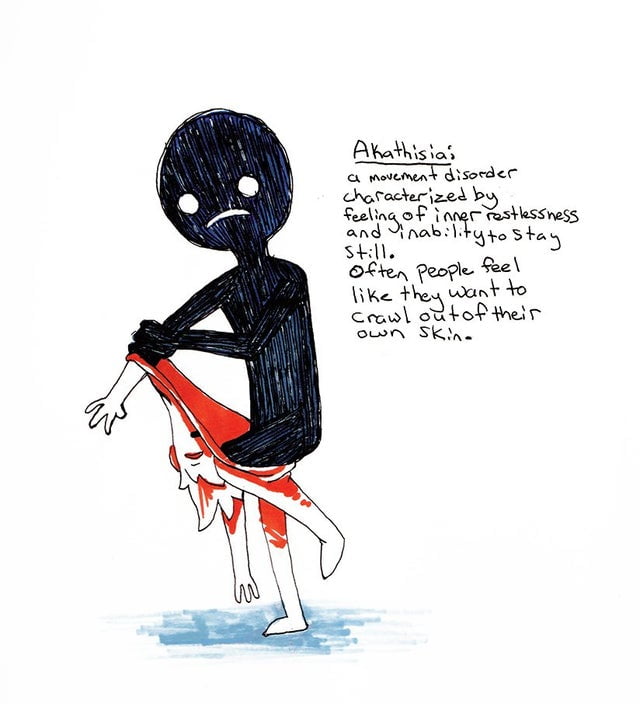
Do you remember the TV commercials for Abilify? At the time, it was being marketed in such a way that a lot of people thought it was an antidepressant. It’s not, though. Abilify is most definitely an antipsychotic, primarily indicated for schizophrenia and bipolar disorder, and it comes with the full list of potential side effects that another antipsychotic might come with. When Abilify was first released, its manufacturer pushed a lot of half-truths (or null-truths) like “Abilify is weight neutral” (26% of patients experience clinically significant weight gain, albeit not as much as Zyprexa) and “Abilify doesn’t cause movement disorders” (it can cause tardive dyskinesia (TD), and 9% of patients experience akathisia — a profound inner restlessness that patients often describe as wanting to “crawl out of [their] skin”). Overall, 15% of patients experience a serious adverse drug reaction.

All of that said… Abilify isn’t a bad drug.

I took Abilify for four years before developing a TD-like movement disorder that ultimately led me to discontinue it. (The same movement disorder worsened on Vraylar, which is a very close relative of Abilify.)

It might be fair to say that Abilify is misunderstood. I don’t think it should have been marketed the way it was. But when we’re talking about schizophrenia and bipolar disorder, well, it’s not the worst of the options. Clozapine and Zyprexa are worse for weight gain. Haldol is worse for movement disorders, like TD and akathisia. But is it effective?

Actually, Abilify was pretty effective for me. When I first started taking it, I would sleep all day. I’d fall asleep in my classes, like, head-on-desk, passed out. (This was particularly troublesome in my class on child abuse.) Then I started taking a stimulant for my ADHD, and everything seemed to be in harmony. Until a new psychiatrist took me off of Abilify to try a newer drug (Latuda — which did nothing for me). When I eventually went back on, I had all kinds of weird side effects. I couldn’t sit, or even stand still — a condition that my psychiatrist would later describe as akathisia. And my head started to shake involuntarily.

So how effective is it, really? The maximum dose of Abilify is 30mg, but benefit at doses higher than 15mg has not been established. A concept that is sometimes floated around in psychiatry is that of equivalent doses, usually CPZ (chlorpromazine) or OLA (olanzapine) equivalents. In this case, we’ll use haloperidol equivalents. 15mg Abilify is equivalent to 7.5 mg of Haldol which is also equivalent to a whopping 750mg quetiapine (Seroquel) — very close to the maximum dose of 800mg. We can see here that Haldol is stronger than Abilify, and Seroquel is weaker. We can tell based on the maximum dose of each and where the others stand in comparison.

Think of it like this: the maximum daily dose of Haldol is 30mg. The equivalent dose of Abilify is 35 mg — above the maximum. So it’s a bit weaker than Haldol. Meanwhile, Seroquel is much weaker. (In fact, Seroquel is the lowest potency antipsychotic, and usually isn’t used to treat psychosis.)

The moral of the story is not to trust the commercials put out by drug companies. I won’t be taking Abilify again, and unfortunately my movement disorder has never completely gone away. For some people, though, it’s a great medication.


Medication review: Lithium

To kick off my series of medication reviews, I have to start with lithium. It has a certain symmetry that is almost beautiful: it saves my life every day by reducing the amplitude of my bipolar symptoms, yet in excess, it almost took my life. I couldn’t get the metallic taste out of my mouth for weeks. Here’s the thing: if you’re bipolar 1, there’s a good chance that it’s the single most effective medication out there. It is for me. That’s why 6 weeks after the overdose in 2018 I was put back on it. At one point, the pharmacy was dispensing it to me weekly.

Lithium is so effective for some people, and not for others — so, researchers talk about “lithium responders” and “nonresponders”. There are certain subgroups of people who tend to be responders. For some reason that is not entirely clear, people who have manias before depression are more likely to be responders than people who have depressions before mania (and most people are consistently one or the other).

Lithium is all-natural. It comes from the earth; it is mined for use in batteries. Discovery of lithium’s mood stabilizing properties in 1949 (though I’ve heard that indigenous Americans once soaked their mentally ill in lithium-rich hot springs) was a happy accident. Yet it has nearly as long been known to cause kidney damage, thyroid damage, diabetes, and more. I have a skin condition called hidradenitis suppurativa that was likely caused by lithium. It causes my inner thighs to develop painful lumps that turn into bleeding lesions, and occasionally develop a secondary infection of the skin and soft tissue.

As terrible as all of that is, I don’t feel I could be living the life I live today without being on lithium. I take 1200mg daily, though the dose is measured by blood level, so one person’s 1200 could be another person’s 1000, or something like that. It has enabled me to recover from the state I was in around 2018, to stay out of the hospital and out of trouble.

Lithium’s mechanism of action is quite complex. It alters the activity of voltage-gated channels throughout the brain. There are no other drugs closely related to lithium, or that share its mechanism of action. Pharmaceutical companies haven’t been able to improve upon it. It remains unique in its treatment of bipolar disorder. One of its more notable clinical features is that it reduces suicidality. It’s ironic to note lithium’s high potential for toxicity.

A common side effect of lithium is tremor. I notice it mostly in my hands; they shake and it’s difficult to eat with a spoon. Interestingly, in toxic situations, the tremor can get much worse. Lithium toxicity also causes profound nausea and vomiting. Toxicity can result from dehydration, or even from travel from a low elevation to a higher elevation. But it’s not just the narrow band between therapeutic and toxic doses that makes lithium deadly — it’s the fact that there is no antidote to lithium toxicity, and lithium doesn’t bind to activated charcoal like most other drugs. Only with hemodialysis can lithium be removed from the body.

What to do if you’ve been prescribed lithium? Drink a lot of water, and wait 1-2 weeks to really feel the difference. Lithium has been absolutely lifesaving for many people. Maybe it will be for you.


Akathisia: an inability to rest caused by antipsychotics

Akathisia is a clinical term for extreme inner restlessness. People who are experiencing akathisia have great difficulty sitting still, or maybe even sitting at all. I first experienced akathisia on Abilify (which I ultimately discontinued because it gave me a facial dyskinesia), and it continued to plague me as I tried different antipsychotics, such as Haldol. I found myself unable to do anything except to go outside, pacing back and forth and smoking cigarettes. Propranolol offered me some relief from the worst of it, but the effect eventually faded.

The medications that are most likely to cause extrapyramidal side effects (EPS) — including tardive dyskinesia — are also the most likely suspects for akathisia. In fact, you might even say akathisia is a type of EPS, even though it does not cause per se involuntary movements. Common suspects would include Haldol and probably also Abilify, which has much greater risk of EPS than we once believed.

It’s excruciating to live with akathisia, and yet most people have never even heard the term. A common descriptor is the feeling of “wanting to crawl out of your skin”.

I’ve had some trouble over the years differentiating between akathisia and hyperactivity associated with my ADHD. The main difference between these two scenarios is the cause, but when you’re on a regimen of multiple antipsychotics plus lithium plus stimulants plus benzodiazepines it becomes difficult to discern cause and effect. No doubt in my mind, at its worst akathisia feels worse and even more frustrating than ADHD — but what about those days where it’s just kind of there?

I’ve also experienced restless leg syndrome. Some scholars believe there is a link between RLS and akathisia — essentially, that akathisia is like RLS experienced during the day (as well as at night — akathisia has kept me awake many nights). I would say this is a pretty apt comparison.

RLS and akathisia may be related.

When I first started propranolol, and was able to sit and rest for a few minutes for the first time in weeks. It was like getting your first pair of glasses, and realizing you can see clearly now. The relief was nearly immediate. Unfortunately, it faded somewhat over time. But I’ll remember that instant where it hit me, the moment I put on the glasses, forever. I hadn’t even realized how bad it was until then.


Pediatric-onset bipolar disorder

Traditionally, it has been thought that bipolar disorder emerges most typically in the early to mid 20s of a person’s life. It has been known since the time of Emil Kraepelin (circa 1921), however, that children can be affected by this illness. While adolescent onset (mid-to-late teens) is now recognized as common and similar to the presentation of adult bipolar disorder, pediatric onset bipolar disorder remains the subject of debate, and its presentation is somewhat different than adult bipolar disorder.

Why do some children get bipolar disorder?

We do have some idea why some people get bipolar disorder as adults, and others get it much younger. The effect is known as genetic anticipation, which occurs when certain genes accumulate in later generations. We know that bipolar youth are highly likely to have members of their family belonging to previous generations (parents, grandparents, aunts, uncles) with bipolar disorder. When those genes add up over successive generations, and the person has a LOT of the polymorphisms that cause bipolar disorder, they tend to get it a) younger and b) more severely. This also helps to explain why pediatric onset bipolar tends to be a clinically severe manifestation.

While adolescent-onset bipolar is not uncommon, bipolar disorder in children under the age of 12 remains rare. Nonetheless, it is important to diagnose. Studies have found that for every year of untreated illness, a child is 10% less likely to experience a resolution of symptoms for 2 months or longer — yet, an average of 10 years passes between symptom onset and treatment.

There is often a long delay between onset of symptoms and treatment. For me, it was 8 years (possibly more).

How does pediatric-onset differ from adult bipolar disorder?

Pediatric onset bipolar is commonly characterized by very rapid cycling. This is an uncommon phenotype (what the disorder “looks like”) in adults, but the majority of children with bipolar disorder are rapid cyclers. Chronic irritability is also common and is part of the reason pediatric bipolar disorder is so controversial. An episodic pattern of moods — whether the manias are dysphoric or euphoric — is arguably the hallmark of bipolar disorder; chronic irritability doesn’t seem to fit the bill, and in children who do not experience depression, an alternative diagnosis may be more appropriate. Nonetheless, irritability is a common symptom even among those children who seem to clearly meet the criteria for bipolar disorder.

Rapid cycling is the rule rather than the exception in children.

What happens to children with bipolar disorder?

Barring tragedy, children with bipolar disorder grow up to be adults with bipolar disorder. They need to be maintained on medication for the rest of their lives, or they are prone to relapse, just like any bipolar patient.

In my anecdotal experience (my symptoms started before the age of 10) I still have rapid cycling and dysphoric mixed manias as an adult. I urge those who are doubtful that rapid cycling bipolar is “real” or that it is somehow less valid to consider that many adults with this phenotype first experienced bipolar symptoms as children.

Recommended reading about bipolar in children

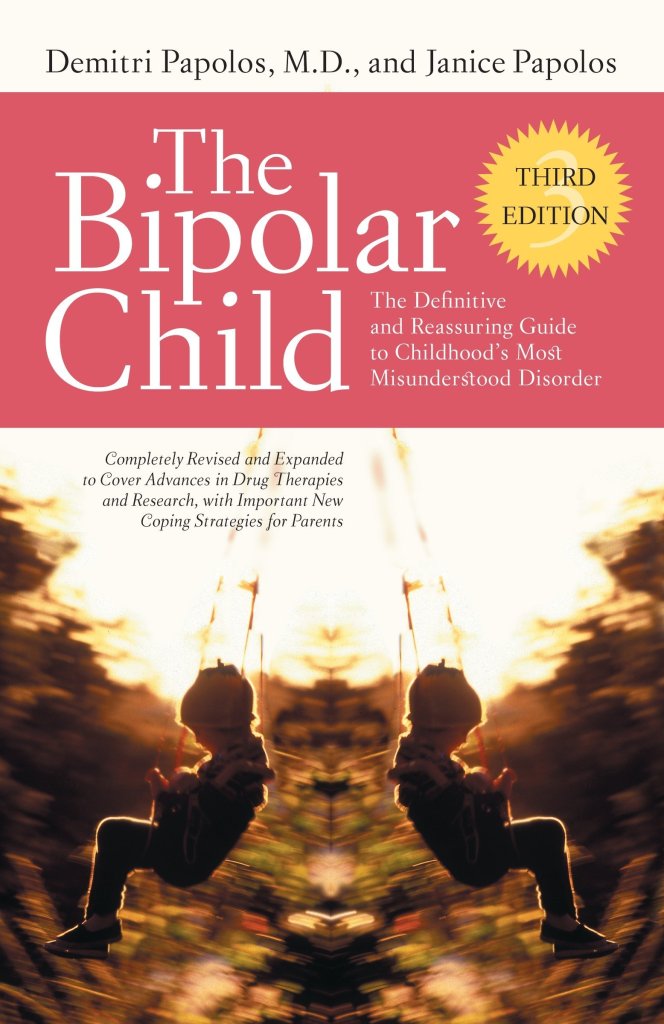
If you want to learn more about bipolar disorder in kids, I recommend the book The Bipolar Child by Demitri Papolos. It is really informative and helped me to better understand myself, as someone who had pediatric onset. I sat down in a library and read it all within a couple of hours.


5 tips to living your best life with bipolar disorder

I’m medication resistant, meaning that meds don’t fully stabilize my cycling. I’ll never be the person who can say “nobody even knows I am bipolar”. In fact, I have to disclose my bipolar disorder to most of the people I work with, due to how it impacts my working hours.

I’ve tried every atypical antipsychotic approved for use in psychiatric patients in the United States except for clozapine (although that has been on the table) plus two typical antipsychotics, three anticonvulsant mood stabilizers, and many other drugs including benzodiazepines, antidepressants, hypnotics, lithium, and so on. I’ve taken the tour.

Currently, this is my regimen: olanzapine, risperidone, lithium, diazepam, and amphetamine salts. I continue to experience symptoms, even with all of that on board. So how do I live and continue to work? The answer is not one-size-fits-all, but for me there are a few key components.

1. Consistent sleep times

I try to go to sleep at the same time every night, and wake up at the same time every morning. Of course it doesn’t always work out that way, but I try. I also make sure not to schedule any meetings that are too late at night, and not to stay out too far into the evening, as both of these things will keep me awake. Each person’s natural bedtime is different, so I can’t tell you what time is correct for you, but for me it’s usually between 10 PM and 12 AM (a fairly wide window, I know).

Sleep is super important in managing bipolar disorder.

2. Structure during the day

It helps me if I am able to maintain some regularity and consistency throughout my days. Since I’m an academic and my work schedule is flexible, this is something I largely have to impose on myself. When I’m really struggling I’ll schedule events in my Google Calendar, even for things I don’t “have” to do — recreational activities, like video games or watching anime. The point is to stay busy, but not too busy. Make sure to build in plenty of breaks. This also helps me get the things on my to-do list for work done efficiently.

I use Google Calendar for this.

3. Take meds religiously

This one doesn’t need a whole lot of explanation, but it’s an important point. Don’t stop taking your meds. At least for me, it always ends in hospitalization, and that’s a huge disruption to my life even though I’m quite used to it by now. Don’t get me wrong — sometimes hospitalization is necessary. However, it’s best to avoid it as much as possible, so that I can stay in contact with my friends and family.

Medication is the primary treatment for bipolar disorder, and it must be taken regularly.

4. Light and darkness

Research has shown that light/dark cycles have a dramatic impact on bipolar moods. I use a light box (or “sun lamp”) for a couple hours daily in the winter. You can buy a clinical strength sun lamp on Amazon (I am not affiliated, and do not gain anything from this) but be aware that the market is flooded with lamps that are not full clinical strength. The recommended protocol for bipolar disorder is to start at noon for 10 minutes, then add 10 minutes every day until you reach 1 hour. This is because the sun lamp does run some risk of triggering mania. At the same time, when you go to sleep (or ideally, when it’s naturally dark outside) there is an equivalent if not more important factor: darkness. Total darkness at night has been shown to dramatically stabilize patients who did not respond to conventional treatments.

Sun lamps can help with low mood and low energy.

5. Mindfulness and psychoeducation

The point of mindfulness in this context is to be able to recognize what mood state you’re in. Likewise, it helps me to be as educated as possible. I read tons of papers, but these are not super accessible to everyone; if you trust your psychiatrist, I recommend asking lots and lots of questions so that you can understand as much as possible. I also compiled a list of some of my favorite bipolar books. The insight into what you’re going through can save your life, even if it doesn’t change what you’re going through.

Keeping track of your mood takes time and practice, but it can be a huge advantage in managing bipolar disorder.

How does lithium work?

Ah, lithium; it’s been our gold-standard treatment for bipolar disorder for many years, and can work for people who have failed other drug trials. It is also one of the only drugs known to decrease the risk of suicide1. But how does it work?

It’s a bit more complicated to understand than, for example, an SSRI (which, ultimately, increases serotonin in the synapse, through a fairly intelligible mechanism of stopping reuptake). Despite knowing since 1949 that lithium was an effective treatment for bipolar disorder, we still don’t fully understand its mechanism of action.

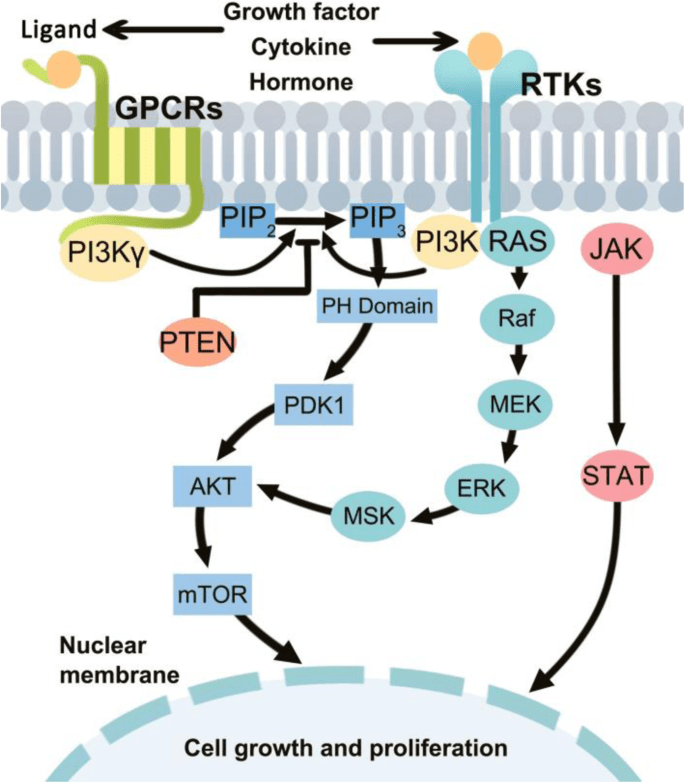
There are a lot of signalling pathways in the brain.

One of the difficulties in determining this is that lithium goes everywhere in your body. Within the brain, it can cause an absurd number of changes through numerous signalling pathways. Like other drugs, it can cross the brain-blood barrier (an important quality for psychiatric medications, since they target the brain) but, uniquely among psych meds, it can also enter your intracellular space — hiding inside your cells, instead of just floating around in your blood.

It is excreted by the kidneys in urine, although it is also known to be excreted in human sweat and tears2. (I’ve had hyper-salty tears caused by lithium every so often.)

Lithium appears to increase the concentration of some neurotransmitters (potentially serotonin and GABA) while moderating the effects of dopamine and norepinephrine through its effects on voltage-gated channels3. This action causes a broad cascade of effects throughout the entire brain that restores balance in people with bipolar disorder. Lithium can get into any cell in your body, and it goes inside your neurons (brain cells) too. This is how it affects voltage-gated channels and moderates the activity of all neurotransmitters.

Although we usually call it a mood stabilizer, it’s not related to any other drug we put in this class, since it is not an anticonvulsant. Lithium is probably most accurately classified as a neuroprotective drug4, like memantine (a drug typically used for Alzheimer’s disease). There is even some speculation that memantine could augment the effect of lithium, due to its similar mechanism of action, but specific to the NMDA receptors.

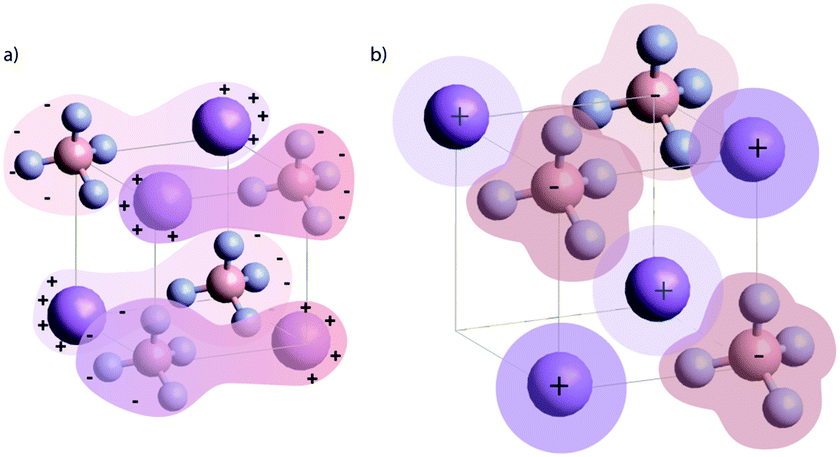
A key point to understanding the pharmacodynamics of lithium is that lithium, in the human body, can use the same transporters as sodium. It fits where sodium should go — therefore, it exits cells through active transport systems designed for sodium, but at about half the speed of sodium. The similarity of lithium and sodium explains why lithium is excreted by the kidneys and not metabolized by the liver.

a) lithium salts; b) sodium salts

This is also why activated charcoal will not absorb lithium. Your body sees it as a metallic salt (it has a positive charge), and metals (or charged ions) are not attracted to charcoal. In addition, the similarity of sodium and lithium creates a sort of sodium-lithium ecosystem in your body; if you maintain a steady dose of lithium but drastically reduce your intake of sodium, your lithium levels can rise to toxicity.

References

  1. Kessing, L. V., Søndergård, L., Kvist, K., & Andersen, P. K. (2005). Suicide risk in patients treated with lithium. Archives of General Psychiatry, 62(8), 860–866. https://doi.org/10.1001/archpsyc.62.8.860
  2. Fraunfelder, F. T., Fraunfelder, F. W., & Jefferson, J. W. (1992). The effects of lithium on the human visual system. Cutaneous and Ocular Toxicology, 11(2), 97–169. https://doi.org/10.3109/15569529209042704
  3. Lenox, Robert H., H. C.-G. (2000). Overview of the Mechanism of Action of Lithium in the Brain: Fifty-Year Update. 61.
  4. Gray, J. D., & Mcewen, B. S. (2013). Lithium’s role in neural plasticity and its implications for mood disorders. Acta Psychiatrica Scandinavica, 128(5), 347–361. https://doi.org/10.1111/acps.12139